


A high-performing aggregate plant starts long before the first ton of material moves through a crusher. Decisions made during the engineering and design phase can influence production capacity, equipment efficiency, maintenance requirements, material flow, and operating costs for years to come.
Taking the time to properly engineer a crushing and screening plant up front allows producers to look beyond individual pieces of equipment and consider how the entire system will work together. From crusher and screen selection to conveyor placement and future expansion, thoughtful planning can create an aggregate processing plant that is better equipped to meet both current and long-term production goals.
Plant Performance Starts with Understanding the Application
Every aggregate operation is different. Material characteristics, desired finished products, production targets, available space, and site conditions can all influence the design of a crushing plant.
Effective aggregate plant design begins by understanding these variables before equipment is selected or positioned. The goal is not simply to choose equipment capable of achieving a certain tonnage. Each component must be considered as part of a complete processing system.
Engineering the plant around the specific application can help ensure that crushers, screens, feeders, conveyors, and other components are properly matched to the material and production requirements of the operation.
Designing Efficient Material Flow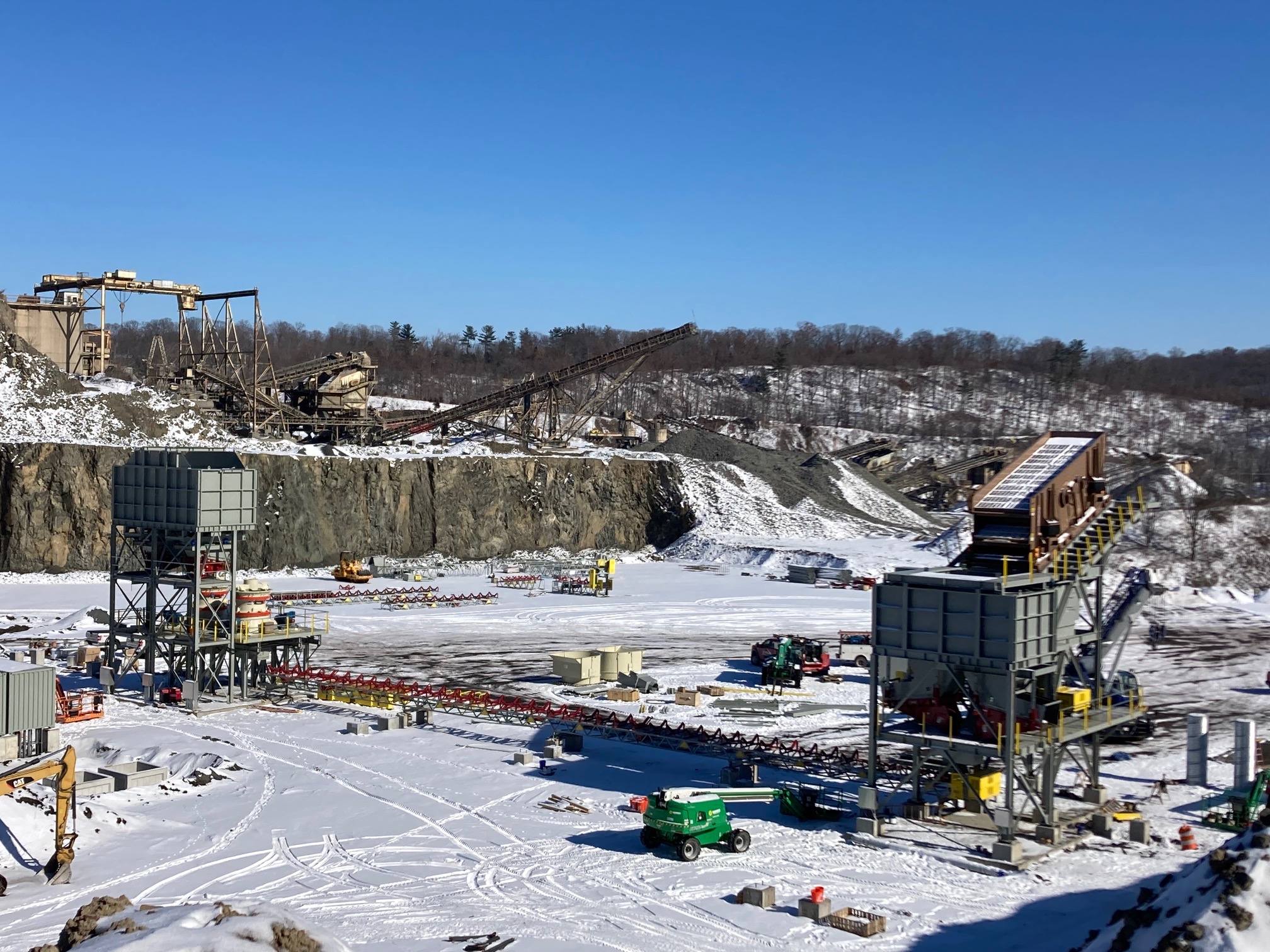
One of the most important elements of crushing plant engineering is determining how material will move through the system.
Poor material flow can contribute to bottlenecks, unnecessary material handling, uneven equipment loading, and lost production. A well-planned layout considers how material travels from primary crushing through secondary and tertiary processing, screening, conveying, and final stockpiling.
By evaluating the entire process during the engineering phase, potential restrictions can be identified before they become everyday operational challenges.
The result is a more coordinated crushing and screening system designed to keep material moving efficiently throughout the plant.
Matching Equipment Across the Entire Crushing Circuit
A crushing plant is only as effective as the system working together.
Installing a larger crusher, for example, will not necessarily increase overall plant production if the screen, conveyors, feeders, or downstream equipment cannot handle the additional capacity. Likewise, equipment that is improperly sized for the application may create inefficiencies elsewhere in the circuit.
Up-front engineering considers how each component interacts with the next. Equipment selection can be based on factors such as:
- Feed material and gradation
- Desired finished products
- Required production capacity
- Crusher reduction ratios
- Screening requirements
- Conveyor capacity
- Surge and storage needs
- Site limitations
Looking at these factors as one integrated system helps create a balanced plant rather than a collection of individual machines.
Planning for Maintenance and Accessibility
Production is important, but so is the ability to maintain the equipment that makes that production possible.
Maintenance access should be considered during the initial aggregate plant engineering and design process. Providing adequate space around crushers, screens, conveyors, and other components can make routine inspections, wear-part changes, repairs, and major maintenance more manageable.
Designing with serviceability in mind can also help reduce the amount of time required to complete maintenance tasks. Over the life of a plant, those considerations can have a meaningful impact on uptime and overall operating efficiency.
Engineering for Future Production Needs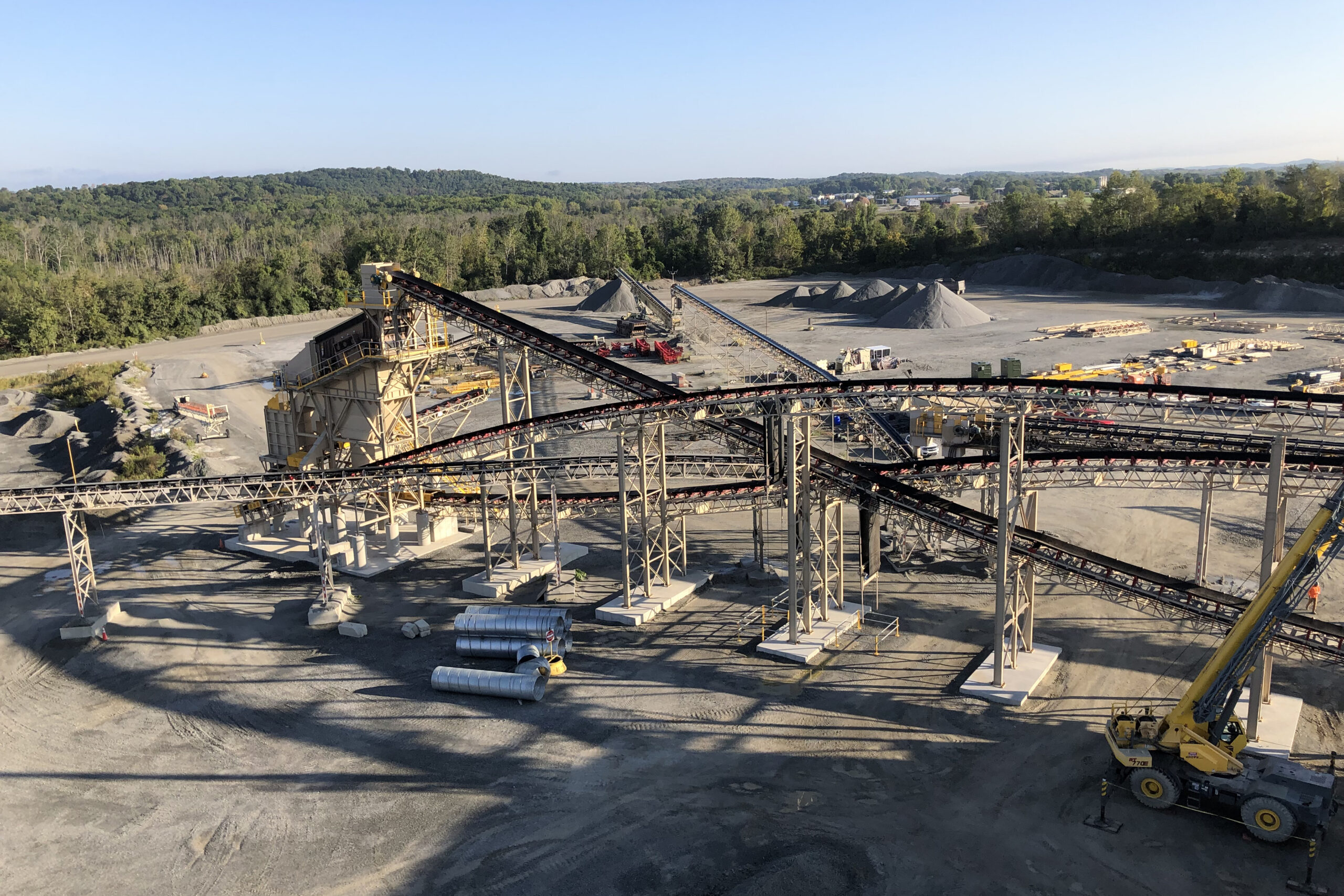
A crushing plant represents a significant long-term investment, and an operation’s needs may change considerably during its service life.
Production requirements can increase. Product specifications can change. New equipment or technology may become available. An operation may also need to produce additional material sizes as market demand evolves.
Considering those possibilities during the initial plant design process can provide greater flexibility later.
Where practical, engineers can evaluate opportunities for future equipment additions, increased capacity, new conveyors, additional screening, or changes to the processing circuit. Planning for those possibilities early may make future plant upgrades and expansions easier to integrate without requiring a complete redesign.
Better Engineering Can Help Control Long-Term Operating Costs
The value of proper plant engineering extends well beyond installation.
A plant designed around efficient material flow, appropriately sized equipment, accessible maintenance areas, and the specific characteristics of the application can help reduce inefficiencies throughout the life of the operation.
Over time, improvements in areas such as equipment utilization, maintenance efficiency, material handling, and plant uptime can have a significant impact on the cost of producing each ton of material.
That is why the engineering phase should not simply focus on getting a plant operational. The larger goal is creating a system that can continue performing efficiently year after year.
Take a Systems Approach to Aggregate Plant Design
Successful aggregate processing requires more than selecting the right crusher. Feeders, crushers, screens, conveyors, structures, stockpiles, and controls all play a role in overall plant performance.
A systems approach evaluates how those components work together and how decisions in one area can affect performance elsewhere in the plant. By identifying potential challenges during the design phase, producers have an opportunity to address them before construction and installation begin.
This level of planning can be valuable whether an operation is developing a completely new stationary crushing plant, adding a new processing circuit, or making a major upgrade to an existing facility.
Partner with Mellott for Crushing Plant Engineering and Design
At Mellott, our team understands that strong plant performance begins with strong engineering.
We work with aggregate producers to develop custom crushing and screening systems based on their application, production requirements, material characteristics, site conditions, and long-term goals. Our capabilities extend from systems engineering and plant design through fabrication, installation, and ongoing support.
By considering the complete operation from the beginning, Mellott helps customers develop aggregate processing solutions designed not just for startup, but for reliable performance well into the future.
Planning a new crushing plant or considering a major system upgrade? Contact Mellott to learn how our systems engineering and design capabilities can help you build for long-term performance.
