

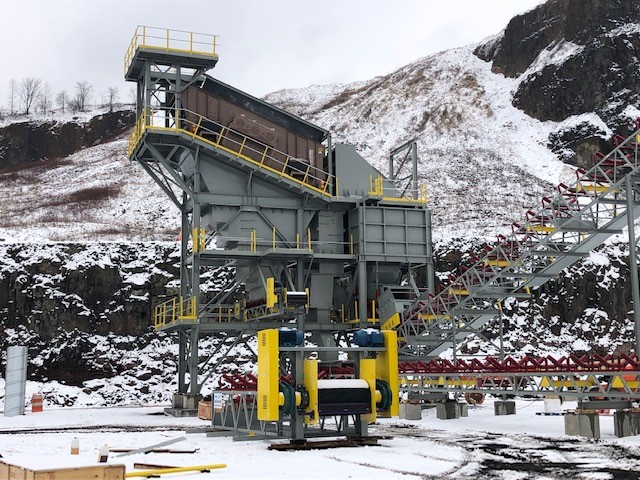
Designing a crushing plant is one of the most important investments an aggregate operation will make. A well-designed plant improves production efficiency, minimizes downtime, and provides the flexibility needed to meet changing market demands. On the other hand, design oversights can lead to bottlenecks, excessive maintenance, higher operating costs, and expensive modifications long after construction is complete.
Whether you’re planning a new facility or expanding an existing operation, avoiding common design mistakes can help maximize your return on investment.
- Designing for Today’s Production Instead of Tomorrow’s Growth
One of the most common mistakes is designing a plant solely around current production requirements. While today’s throughput goals are important, aggregate operations often evolve as demand, products, and market conditions change.
Building flexibility into the plant layout can make future expansions significantly easier. Leaving room for additional equipment, conveyors, stockpiles, or screening capacity can help reduce future construction costs and minimize operational disruptions.
Planning for growth from the beginning often costs far less than redesigning an entire circuit later.
- Overlooking Material Characteristics
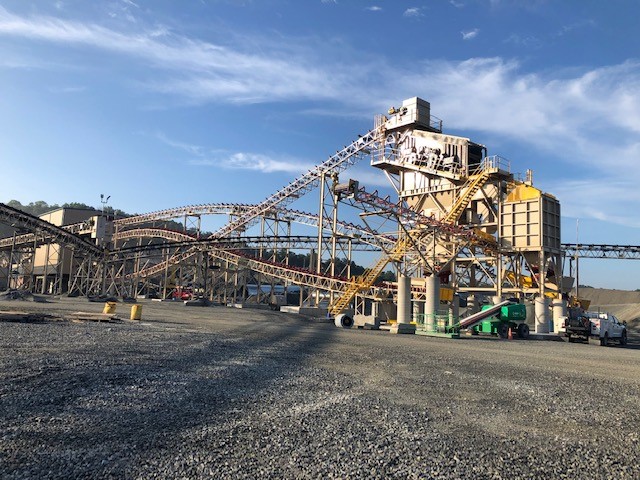
Every material behaves differently. Factors such as hardness, abrasiveness, moisture content, feed gradation, and clay content all influence equipment selection and plant performance.
Designing a crushing circuit without fully understanding the material can result in:
- Premature wear on equipment
- Reduced production rates
- Poor product quality
- Increased operating costs
- More frequent maintenance
Evaluating material characteristics early in the design process helps ensure crushers, screens, feeders, and conveyors are properly matched to the application.
- Creating Bottlenecks Within the Circuit
Even when individual pieces of equipment are properly sized, the overall plant may still underperform if one section limits production.
Common bottlenecks include:
- Undersized conveyors
- Insufficient screening capacity
- Improper surge capacity
- Restricted transfer points
- Feeders that cannot consistently supply downstream equipment
A crushing plant should be designed as an integrated system rather than a collection of individual machines. Every component should support the desired production rate while maintaining consistent material flow throughout the circuit.
- Neglecting Maintenance Access
Maintenance is inevitable, but poor plant layouts can make routine service far more difficult than necessary.
When maintenance access is overlooked, technicians may spend unnecessary time reaching critical components, replacing wear parts, or performing inspections. Limited access can also create safety concerns during maintenance activities.
Effective crushing plant designs consider maintenance from the beginning by providing adequate working clearances, service platforms, lifting access, and safe access points for inspections and repairs.
Designing with maintenance in mind helps reduce downtime throughout the life of the plant.
- Focusing Only on Initial Purchase Cost
Choosing equipment based solely on the lowest upfront cost can increase long-term operating expenses.
The true cost of a crushing plant includes:
- Equipment reliability
- Wear part consumption
- Energy efficiency
- Maintenance requirements
- Parts availability
- Equipment lifespan
- Downtime costs
Evaluating total cost of ownership instead of purchase price alone often results in better long-term performance and lower operating costs over the life of the plant.
Why Proper Crushing Plant Design Matters
A successful crushing plant balances production goals, equipment reliability, maintenance accessibility, safety, and future flexibility. Taking the time to evaluate each aspect of the operation during the design phase can help avoid costly modifications and improve overall plant performance for years to come.
Working with experienced engineers who understand crushing circuits can also help identify opportunities to improve efficiency before construction begins, reducing risk and supporting long-term operational success.
Partner with Mellott for Crushing Plant Design Expertise
At Mellott, we understand that every operation has unique production goals, material characteristics, and site requirements. Our team works with producers to develop crushing plant solutions that are designed for efficiency, reliability, and long-term performance.
Contact us today!
