

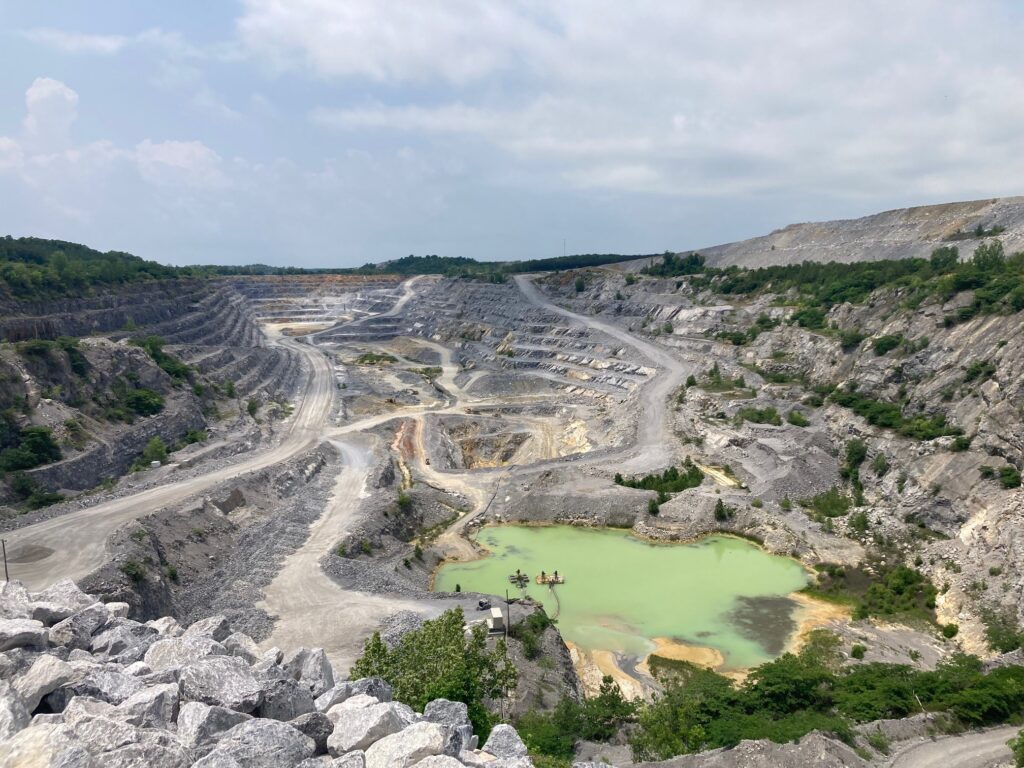
An aggregate plant that lacks efficiency or organization can quickly become a source of costly delays, material waste, and missed deadlines. If your operation struggles with bottlenecks, breakdowns, or inconsistent output, the consequences can ripple through your business, slowing down critical projects and costing you money.
That’s where strong aggregate plant management makes the difference. Whether you’re processing materials for major construction jobs or specialized applications, optimizing your plant is essential to boosting productivity and keeping costs in check. This guide outlines proven strategies to help your operation run smarter and more reliably.
What Is an Aggregate Plant?
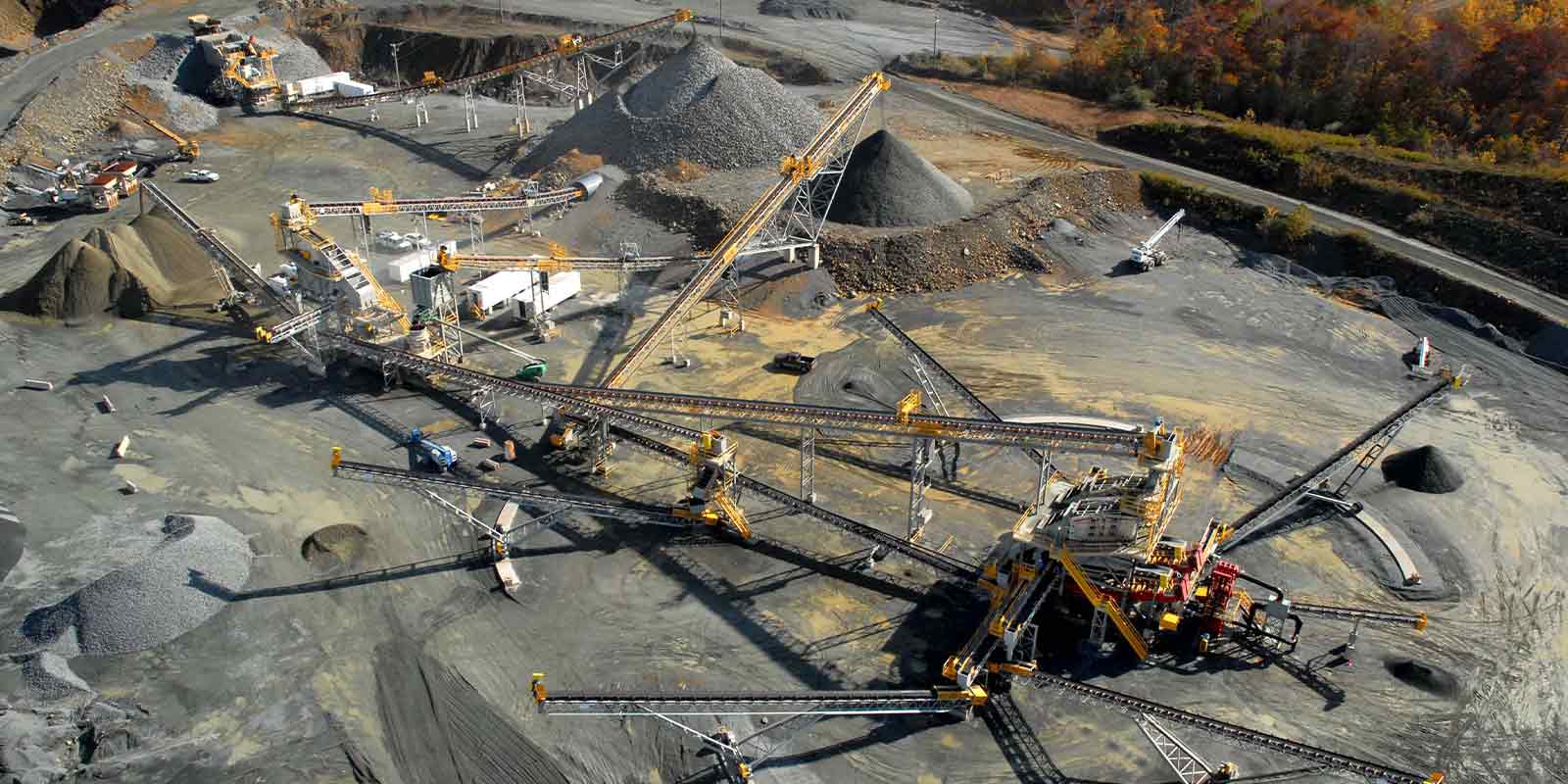 An aggregate plant processes raw materials like crushed stone, sand, and gravel into specific grades used in construction and manufacturing. These materials must meet strict quality and size specifications. Efficient processing is what makes that possible.
Key components such as feeders, crushers, screens, and conveyors work together to transform large rocks and minerals into usable products. The goal is simple: produce consistent, high-quality output while minimizing energy use and downtime.
How Aggregate Processing Works
To run a high-performing plant, you need to understand the full processing flow — from extraction to final product. Here’s a breakdown of each stage:
- Feeding: The first step involves consistently delivering raw material to the crushers and screens. Reliable feeders help maintain flow and avoid overloads or stoppages.
- Crushing: Crushers reduce large rocks into smaller aggregates. Depending on the application, jaw, cone, or impact crushers may be used. Routine maintenance ensures they run efficiently and extend their service life.
- Screening: Vibrating screens sort materials into defined sizes. Efficient screening is critical for quality control and reducing waste.
- Washing (When Needed): In cases where cleanliness is key, like in concrete or asphalt applications– washing removes fines or contaminants. Though it adds cost and complexity, it significantly improves product consistency and performance.
Best Practices for Aggregate Plant Optimization
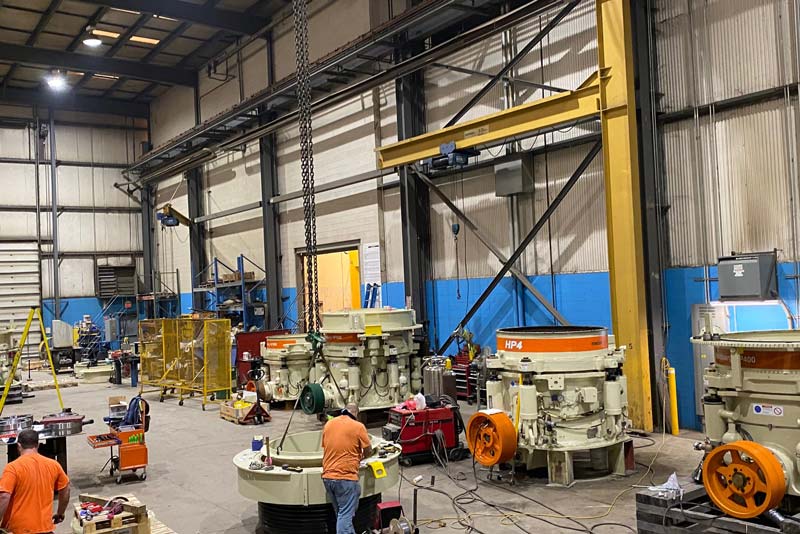 Running an efficient plant goes beyond just equipment. It involves smart systems, consistent upkeep, and skilled operators. Here are some of Mellott’s top recommendations:
- Stay on Top of Maintenance: Avoid downtime by sticking to a regular maintenance schedule. Inspect crushers, screens, and conveyors frequently to ensure they’re performing at their best.
- Leverage Automation: Automated systems can monitor and adjust feed rates, crusher settings, and screen performance in real time. This improves consistency, enhances safety, and reduces the need for manual intervention.
- Use Monitoring Tools: Data tracking tools give you real-time insights into plant performance. With the right analytics, you can pinpoint inefficiencies, identify bottlenecks, and make informed decisions about upgrades or changes.
- Prioritize Energy Efficiency: Installing high-efficiency motors and optimizing layout can significantly reduce energy costs. Lower energy usage also supports your sustainability goals.
- Train Your Team: Technology matters, but so do people. Ongoing training ensures your operators are skilled, safety-conscious, and capable of quickly spotting and addressing issues.
Choosing the Right Equipment for Your Plant
Selecting the right processing equipment is one of the most critical decisions in any aggregate operation. Consider the following when evaluating your needs:
- Material Type: Harder materials require more robust crushers. Choose equipment designed for your specific input materials.
- Production Needs: Match equipment capacity to your production demands. Overestimating can waste energy, while underestimating leads to costly slowdowns.
- Scalability: Choose systems that can grow with your business. Scalable equipment allows for capacity upgrades without requiring a complete plant overhaul.
Tips to Boost Plant Productivity
Maximizing output without sacrificing quality requires streamlined processes and proactive planning. Here’s how to get there:
- Optimize Material Flow: Efficient material handling reduces delays and blockages. Well-designed conveyors, chutes, and hoppers are essential for keeping materials moving smoothly.
- Implement Quality Control: Inspect materials at every stage to ensure they meet your standards. This reduces rework, maintains consistency, and keeps customers satisfied.
- Plan for Uptime: Keep spare parts on hand and develop a plan for fast repairs. Even short downtimes can cost thousands, so preparation is key.
Partner with Mellott to Improve Efficiency
Long-term success in the aggregate industry depends on smart plant management. Mellott is here to help you make that happen! Whether you’re upgrading your existing setup or building a new plant from the ground up, we provide expert consulting, custom solutions, and the best equipment offered in the industry to maximize your performance.
Ready to take your plant to the next level? Contact Mellott today to learn how we can help you streamline your operation, increase productivity, and get the most out of every ton.
