

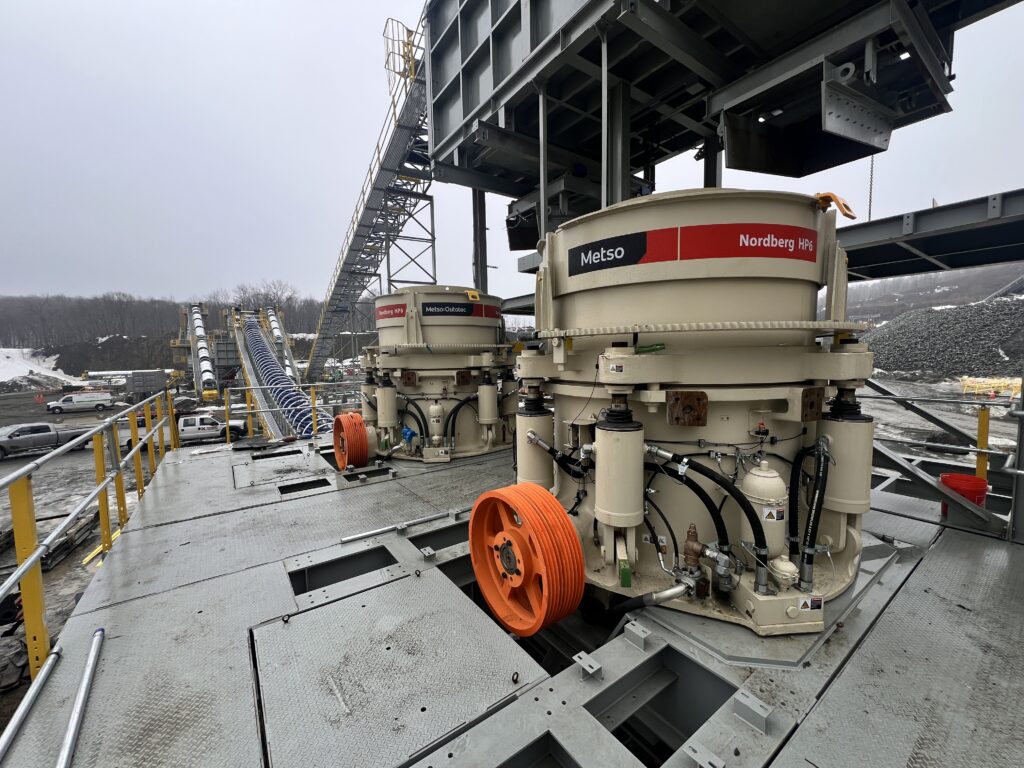
Cone crushers are built to withstand demanding operating conditions, processing abrasive materials under continuous loads day after day. Even with proper maintenance, however, certain components naturally experience more wear than others.
Knowing which parts are most susceptible to wear or failure allows producers to plan maintenance more effectively, minimize unexpected downtime, and maximize the service life of their equipment. At Mellott, we’ve worked with cone crushers for decades, and we’ve seen firsthand how proactive maintenance and timely part replacement can make a significant difference in plant performance.
Mantle and Bowl Liner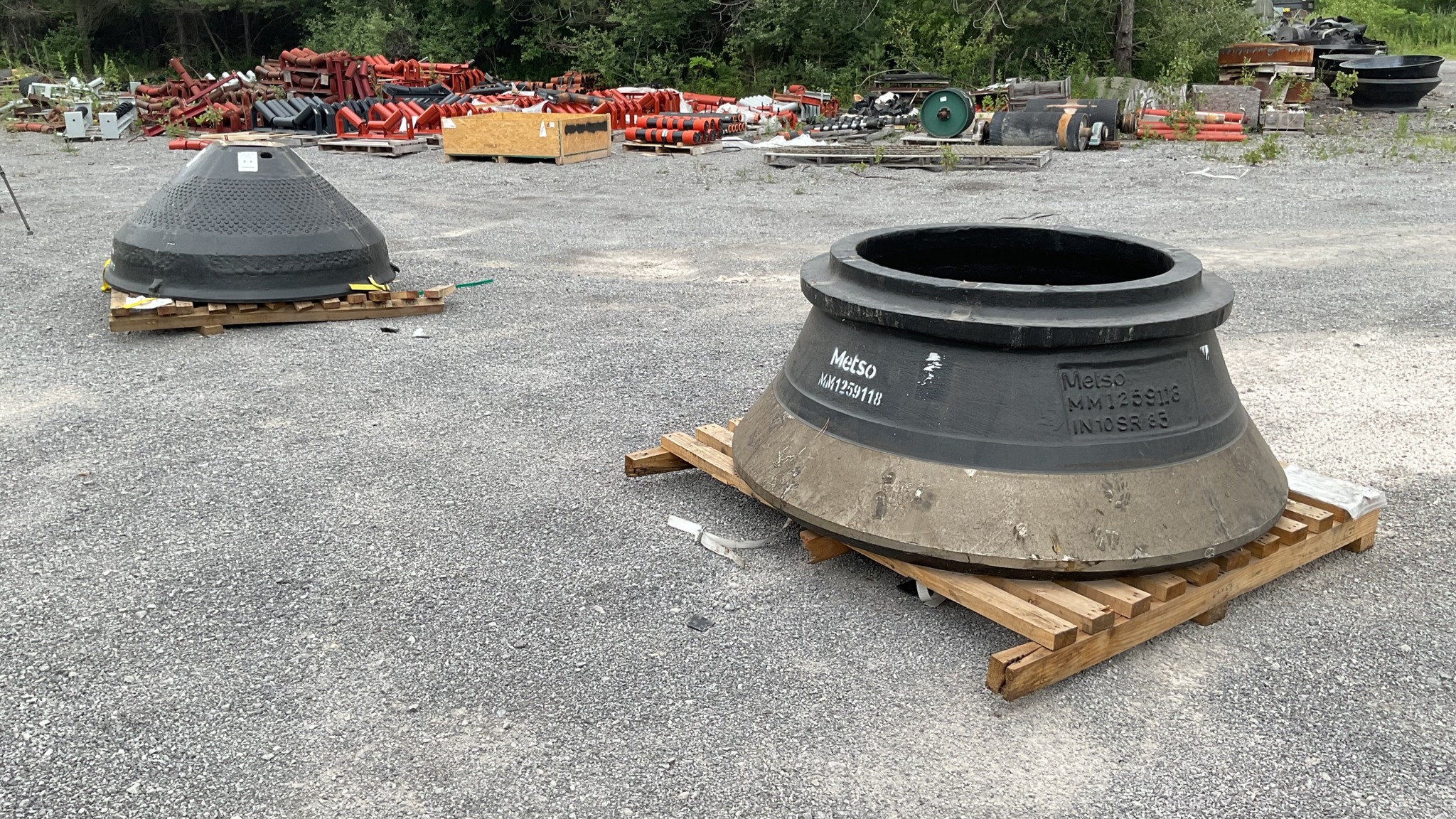
The mantle and bowl liner (often referred to as the concave) are the primary wear components inside a cone crusher. As material is compressed between these surfaces, both components gradually wear away as part of normal operation.
Several factors can accelerate liner wear, including:
- Highly abrasive feed material
- Incorrect crusher settings
- Uneven feed distribution
- Operating the crusher beyond its intended capacity
When liners are allowed to wear beyond their recommended limits, crushing efficiency declines, product gradation can become inconsistent, and additional stress is placed on other crusher components. Routine inspections and replacing liners at the appropriate time help maintain optimal performance while protecting the rest of the machine.
Torch Ring
Although the torch ring is not a crushing surface, it serves an important protective function by helping shield critical areas of the crusher from material intrusion and excessive wear. Because it operates in a harsh environment filled with vibration and abrasive dust, it is subject to gradual deterioration.
Common causes of torch ring damage include:
- Excessive movement caused by worn liners
- Material buildup in protected areas
- Delayed maintenance or inspections
Replacing a worn or damaged torch ring before it fails completely can help prevent additional wear to surrounding components and reduce repair costs.
Main Shaft
The main shaft is one of the most critical structural components of a cone crusher, supporting the mantle while transmitting crushing forces throughout the machine.
Although designed for heavy-duty operation, the main shaft can become damaged when subjected to abnormal operating conditions, including:
- Tramp iron entering the crushing chamber
- Repeated overload events
- Inadequate lubrication
- Continuing to operate after other components have failed
Because main shaft repairs often require extensive downtime, preventing damage through regular inspections and proper crusher operation is essential.
Bearings and Bushings
Bearings and bushings maintain proper alignment while allowing internal components to move smoothly under heavy loads. Their performance depends heavily on proper lubrication and operating conditions.
The most common causes of bearing and bushing failure include:
- Insufficient lubrication
- Contaminated lubricant
- Excessive operating temperatures
- Component misalignment
Many bearing failures begin as relatively minor lubrication issues that can be identified and corrected during routine preventive maintenance.
Seals
Dust contamination is one of the greatest threats to cone crusher reliability. Seals are designed to keep contaminants away from lubricated components and precision-machined surfaces.
When seals become worn or damaged, dust and debris can enter the lubrication system, accelerating wear throughout the crusher.
Regular seal inspections and prompt replacement help protect critical internal components while extending equipment life.
Hydraulic Components
Many modern cone crushers rely on hydraulic systems for tramp relief, clearing the crushing chamber, and adjusting crusher settings. Like any hydraulic system, these components require routine maintenance to remain reliable.
Hydraulic problems are commonly caused by:
- Contaminated hydraulic fluid
- Worn hoses
- Damaged cylinders
- Leaking fittings
- Deferred preventive maintenance
Keeping hydraulic oil clean and addressing leaks as soon as they develop helps reduce the likelihood of unexpected failures and costly downtime.
Preventing Premature Cone Crusher Failures
While wear cannot be eliminated, many equipment failures can be prevented through a proactive maintenance strategy. At Mellott, we recommend several best practices to help maximize crusher reliability:
- Perform scheduled inspections of wear parts and critical mechanical components.
- Monitor liner wear and replace liners before crushing performance declines.
- Maintain clean lubrication and hydraulic systems.
- Ensure the crusher is consistently choke-fed with evenly distributed material.
- Investigate unusual vibration, noise, or temperature increases immediately.
- Replace worn components before they contribute to larger mechanical failures.
Addressing small maintenance concerns early is almost always more cost-effective than responding to emergency repairs or unexpected production interruptions.
Keep Your Cone Crusher Performing with Mellott
Whether you need OEM or aftermarket replacement parts, wear components, expert field service, or complete crusher rebuilds, Mellott has the experience and resources to help keep your operation running efficiently.
Our team works with aggregate producers every day to identify wear before it becomes a major issue, recommend the right replacement solutions, and develop maintenance strategies that improve equipment reliability, maximize uptime, and reduce operating costs.
Contact Mellott today to learn how our parts, service, and technical expertise can help you get the most from your cone crusher.
