


When you’re sizing a cone crusher for an aggregate or mining circuit, the right fit isn’t always “bigger is better.” Metso’s Nordberg® GP Series and HP Series are both proven workhorses, but they’re optimized for different job profiles. Below, we’ll walk through the real-world benefits of the GP Series, explain how the HP Series differs, and give practical guidance for choosing the crusher that’ll deliver the best uptime, product shape, and operating cost for your application.
 The GP Series: built for versatility, heavy feed, and easy upkeep
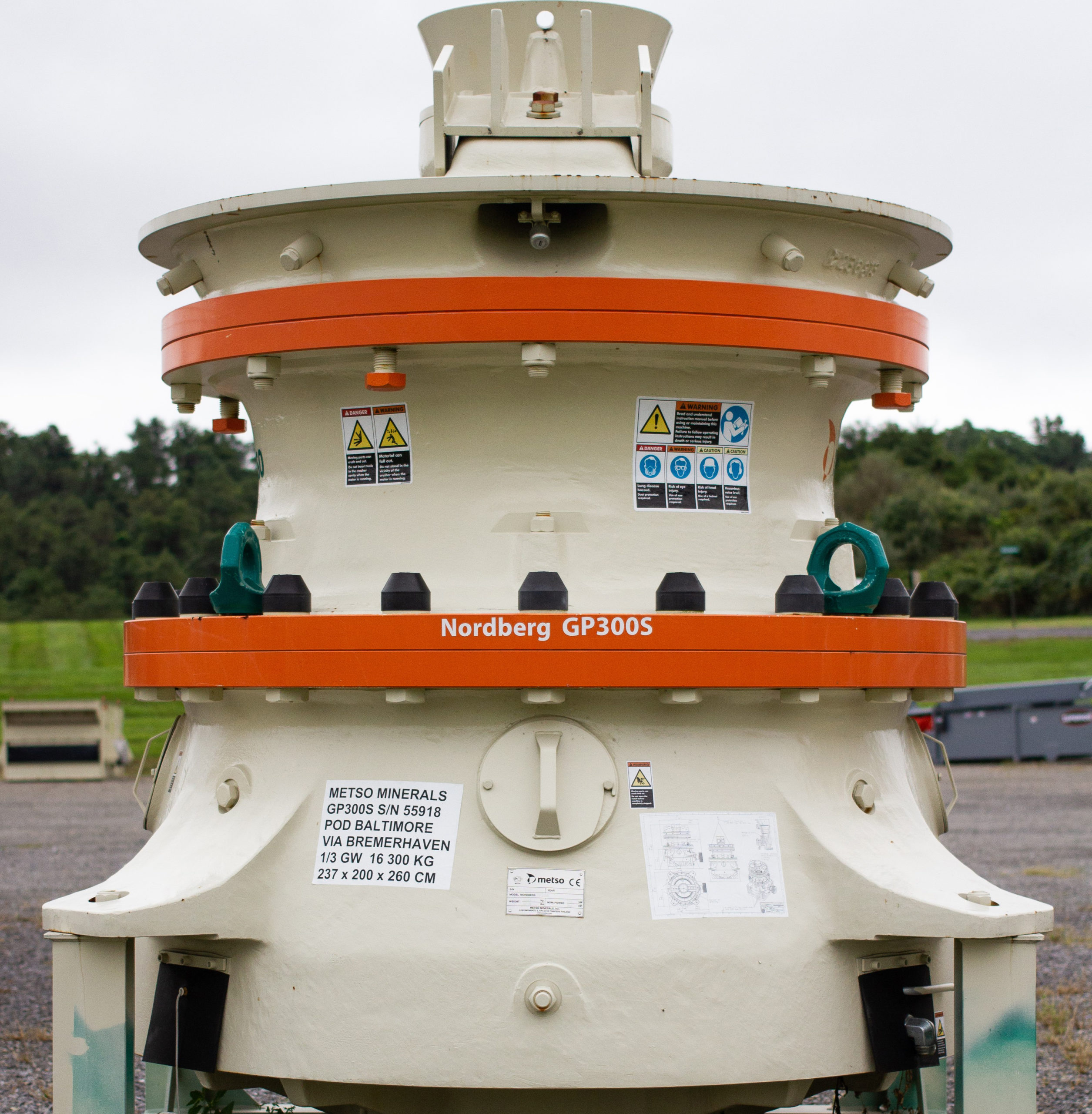
The GP Series was developed to be flexible and tough in secondary crushing roles where feed conditions vary — coarse to extra fine — and where the feed flow or size can change throughout the day. Key benefits you’ll see in the field:
-
Large feed opening relative to footprint. GP crushers accept oversized feed better than many machines in the same weight class, meaning fewer pre-screening headaches and higher effective throughput in variable-feed situations.
-
Versatile cavity and stroke options. GP units can be fitted with different cavities, eccentric strokes, and speeds so you can tune throughput and product gradation to match your plant. That makes them especially useful where the crushing stage must adapt to other equipment in the circuit.
-
Steeper chamber / shorter stroke — forgiving with wear. The GP chamber geometry is steeper and the stroke shorter compared with HP chambers. That design helps the feed opening remain relatively large even as liners wear, maintaining throughput and reducing the need for frequent setting changes.
-
Simple to maintain and service. GP crushers were engineered for easy access and serviceability — shorter maintenance windows, quick liner changes, and a range of standard spare-part options to keep operating costs predictable.
Put simply: if you need a reliable secondary crusher that handles fluctuating feeds, oversized rocks, or one machine that must do a bit of everything, the GP Series is an excellent, practical choice.
The HP Series: high-performance shape and consistent production
The Nordberg® HP Series targets a slightly different need set: consistent, high-capacity crushing with excellent product shape and tight gradation in multi-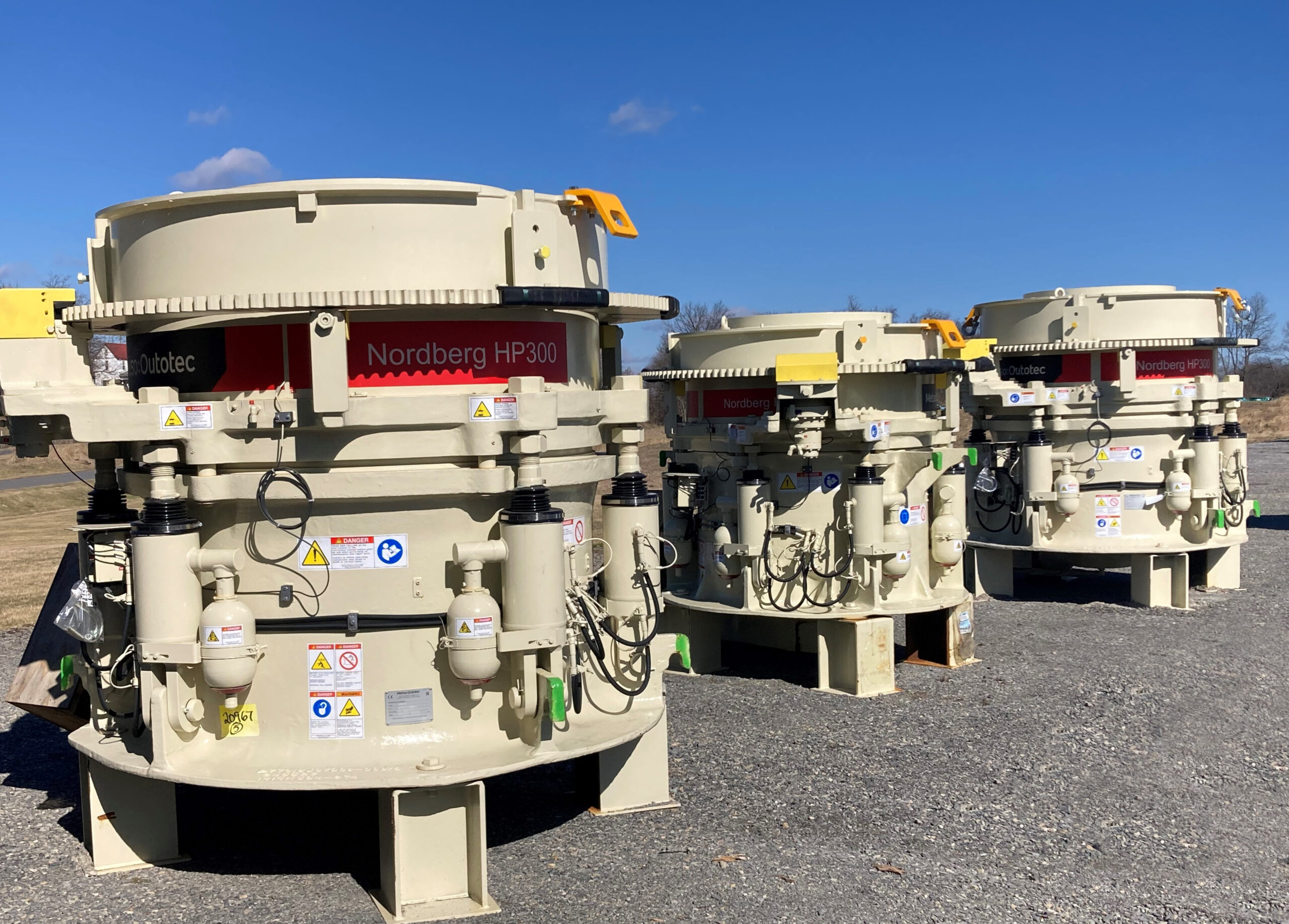 stage plants. Highlights include:
-
Designed for predictable capacity and product shape. The HP Series focuses on delivering consistent throughput and high-quality cubical products — ideal for plants where finished gradation and shape are critical.
-
Optimized speed and efficiency for fine-to-medium crushing. HP crushers typically run at higher speeds and are tuned for multi-stage crushing where downstream feed is controlled and consistent. That makes them a go-to for tertiary or quaternary duties where product spec is the priority.
-
Lower operating and wear costs in steady-state operations. In plants with stable feed and choke-fed conditions, the HP Series’ design often results in lower wear part consumption per ton and lower total operating costs over long campaigns.
Side-by-side (practical) comparison
-
Feed variability: GPs are typically better at handling variable and oversized feed.
-
Product shape & gradation: HP’s are optimal for more consistent, cubical product in controlled circuits.
-
Maintenance & uptime: GP designed for simpler, quicker service; HP optimized for long, efficient campaigns when feed is stable.
-
Tuning flexibility: GP offers more tuning options (strokes, cavities) for mixed-duty plants; HP’s strengths lie in predictable performance for specific crushing stages.
-
Best use case: GP = flexible secondary (and some tertiary) crushing with varying feed; HP = high-performance multi-stage plants where output spec is paramount.
How to choose for your plant (quick checklist)
-
What’s your feed like? If the feed is variable or contains oversized rock, favor GP. If the feed is consistent and you need tight specs, favor HP.
-
Which crushing stage? GP is often specified for secondary where flexibility matters; HP is commonly used for tertiary/quaternary to guarantee shape.
-
Are operating costs or downtime your primary worry? GP’s easier maintenance can reduce downtime; HP’s efficiency can lower wear cost per ton in steady-state plants.
-
Do you need automation or remote control? Both series integrate Metso automation options; match the control package (IC/automation) to your plant goals.
How Mellott helps you get the most from either machine
 At Mellott we don’t just sell crushers — we help you pick, install, start up, train, and maintain the right Metso solution for your operation. Whether your plant benefits more from the GP Series’ rugged adaptability or the HP Series’ high-performance consistency, we offer:
-
Parts & scheduled maintenance programs to reduce downtime.
-
Startup and commissioning services to tune the crusher for your circuit.
-
Operator training and plant integration so you hit production targets faster.
-
Field service and rebuild capability to maximize lifetime value.
If you’d like, we can run through your feed analysis and production targets and recommend the precise GP or HP model, cavity, and automation package that matches your ROI goals.
Bottom line
Both the Metso GP and HP Series are excellent cone crushers — the GP is the go-to when feed variation, oversized material acceptance, and simple, adaptable maintenance are priorities; the HP is ideal when predictable capacity and a high-quality, cubical product are required in a controlled, multi-stage circuit. Choosing the right one comes down to your feed characteristics, production specs, and how you balance uptime vs. product shape.
Want help choosing which model best fits your plant? Contact our experts for the recommend models and configurations to fit your needs.
