


Winter weather presents unique challenges for heavy equipment operators, particularly in the aggregate, quarrying, and construction industries. Freezing temperatures, snow, and ice can affect equipment performance, increase maintenance requirements, and create additional safety hazards on the jobsite.
From difficult engine starts to reduced hydraulic efficiency, cold weather can place added stress on critical equipment components. Proper preparation and preventive maintenance are essential for minimizing unexpected downtime and keeping operations running efficiently throughout the winter months.
Whether you’re operating crushing and screening equipment, wheel loaders, or other heavy machinery, these 12 cold weather equipment maintenance tips can help protect your investment and support safe, reliable operation.
Engine and Fuel System Maintenance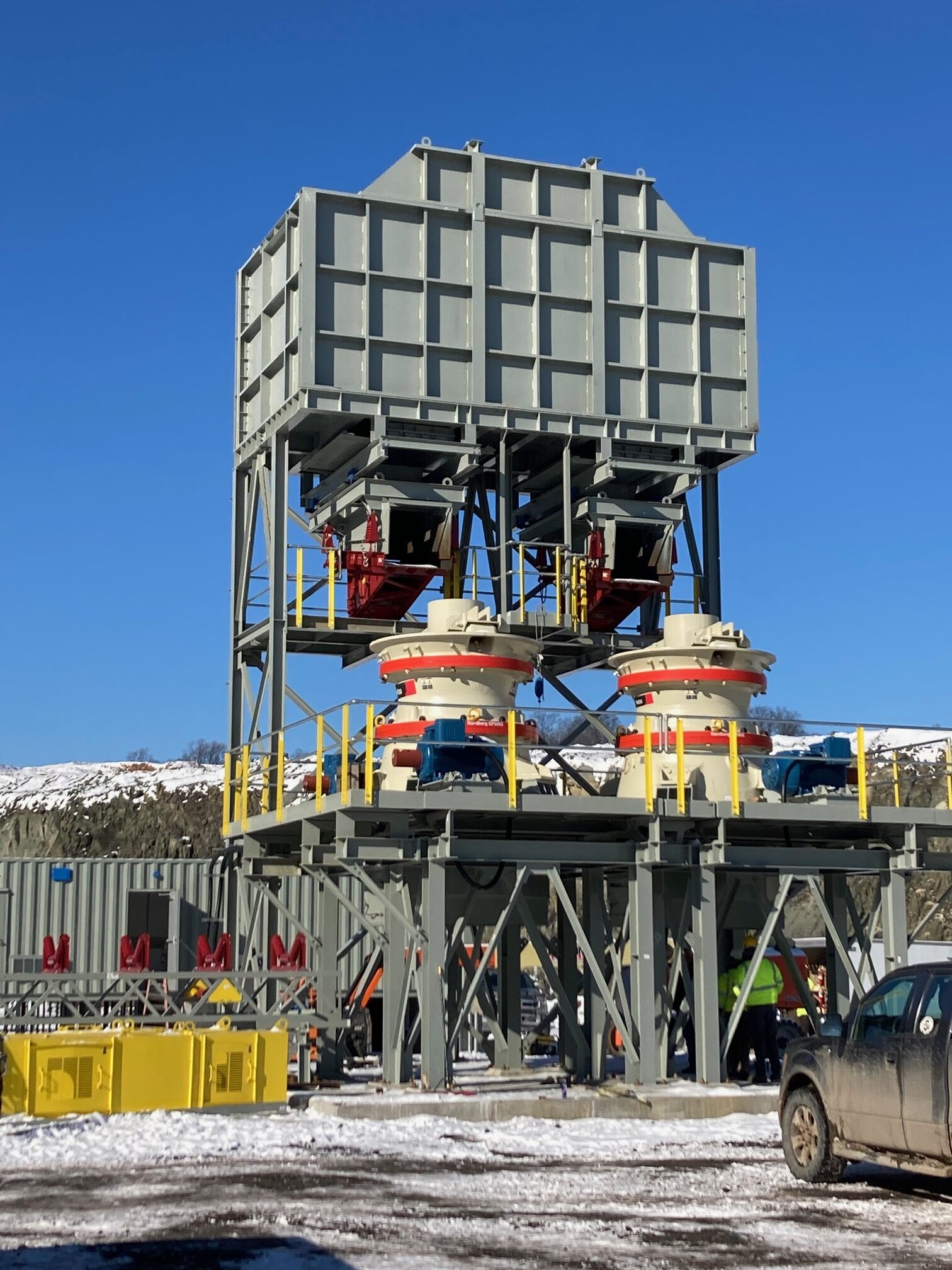
- Prevent Fuel Contamination in Freezing Temperatures
Keeping water and contaminants out of fuel systems is especially important during cold weather. Moisture can freeze in fuel lines and filters, potentially restricting fuel flow and causing starting or performance issues.
When refueling equipment, take precautions to prevent snow, ice, and other contaminants from entering the fuel tank. Inspect fuel storage systems regularly and drain fuel-water separators according to manufacturer recommendations.
For diesel-powered equipment, use fuel appropriate for the expected temperatures. Winter-grade diesel or manufacturer-approved fuel additives may help reduce cold-weather fuel problems.
- Inspect and Maintain Equipment Filters
Clean, properly maintained filters are essential for reliable equipment performance. Fuel, air, and hydraulic filters help protect critical components from contamination and unnecessary wear.
During winter, diesel fuel can form wax crystals as temperatures drop, potentially restricting fuel flow through filters. Hydraulic systems may also experience increased resistance when fluids become more viscous.
Follow the manufacturer’s recommended filter inspection and replacement intervals, and address any signs of restricted flow or reduced performance.
Battery Maintenance and Jump-Starting Safety
- Use Proper Jump-Starting Procedures
Cold temperatures reduce a battery’s available starting power, making engine startup more difficult. If a machine requires a jump-start, following the correct procedure is critical.
Before connecting jumper cables, verify that the power source is compatible with the equipment’s electrical system. Incorrect connections or improper voltage can damage electrical components and create serious safety hazards.
Always refer to the equipment manufacturer’s instructions before attempting to jump-start machinery.
- Never Charge or Jump-Start a Frozen Battery
Attempting to charge or jump-start a frozen lead-acid battery can cause it to rupture or explode.
If a battery is suspected to be frozen, do not attempt to charge or jump-start it. Follow the battery manufacturer’s instructions and have it inspected before returning it to service.
Routine battery inspections, properly maintained connections, and appropriate charging practices can help reduce cold-weather starting problems.
Safe Equipment Starting Practices
- Exercise Caution with Ether Starting Aids
Ether-based starting aids are sometimes used to assist diesel engines in cold weather. However, improper use can cause severe engine damage or personal injury.
Only use ether when specifically approved by the engine manufacturer. Certain engines equipped with glow plugs, intake air heaters, or other starting systems may prohibit its use.
Always follow the manufacturer’s recommended cold-weather starting procedures.
- Establish Clear Communication During Jump-Starts
When multiple workers are involved in jump-starting equipment, communication is essential.
Before beginning, review the procedure, assign responsibilities, and ensure all personnel are positioned safely away from moving components and potential hazards.
Because engine noise can make verbal communication difficult once the machine starts, establishing a clear plan beforehand can help prevent confusion and reduce safety risks.
Proper Equipment Warm-Up Procedures
- Allow Equipment to Warm Up Before Operation
Cold temperatures affect engine lubricants, hydraulic fluids, hoses, seals, and other equipment components.
Operating machinery under heavy loads before it reaches appropriate operating conditions can increase stress on critical systems.
Follow the manufacturer’s recommended startup and warm-up procedures, allowing sufficient time for fluids to circulate and operating conditions to stabilize. Monitor applicable gauges, pressures, temperatures, and warning indicators before placing equipment under load.
For crushing and screening operations, follow the equipment manufacturer’s specified startup sequence and operating requirements.
- Warm Hydraulic Systems Gradually
Hydraulic fluid becomes more viscous at lower temperatures, which can restrict flow and affect system response.
Allow hydraulic systems to warm according to the manufacturer’s recommendations before operating equipment at full speed or under heavy loads.
When permitted by the manufacturer, gradually cycling hydraulic functions under light loads may help circulate and warm hydraulic fluid.
Avoid holding hydraulic controls against relief valves or forcing equipment to operate under excessive pressure unless specifically directed by the manufacturer. Improper procedures can generate excessive heat and damage hydraulic components.
Winter Jobsite Safety and Equipment Protection
- Inspect Cab Heating and Defrosting Systems
For equipment with enclosed operator cabs, functioning heaters and defrosters are important for maintaining visibility and comfortable working conditions.
Before winter arrives, inspect heating, ventilation, and defrosting systems to ensure they operate properly.
Addressing potential problems before temperatures drop can help prevent disruptions and improve operator safety.
- Maintain Clear Visibility Around Equipment
Snow, ice, frost, and condensation can obstruct an operator’s view, increasing the risk of accidents around active jobsites.
Before operating machinery, remove accumulated snow and ice from windows, mirrors, cameras, lights, and other visibility-related components.
Operators should also remain aware of changing ground conditions, reduced traction, and nearby personnel or equipment.
Maintaining clear visibility is particularly important in busy quarry and aggregate processing environments where multiple machines may be operating simultaneously.
- Prevent Tires and Tracks from Freezing to the Ground
Tracked and rubber-tired equipment can freeze to wet or icy surfaces when parked for extended periods.
Attempting to move machinery that has frozen to the ground can place excessive stress on tires, tracks, and drivetrain components.
Whenever possible, park equipment on firm, well-drained surfaces free from standing water and excessive snow accumulation.
If machinery becomes frozen in place, follow manufacturer-approved procedures to safely free it before attempting to move.
- Protect Ground-Contact Attachments During Storage
Buckets, blades, and other ground-contact attachments can freeze to the surface beneath them during periods of extreme cold.
When parking equipment, select a suitable location and follow the manufacturer’s recommended shutdown and attachment positioning procedures.
Where appropriate and manufacturer-approved, protective materials or blocking may help prevent attachments from freezing to the ground. Attachments must always be lowered or otherwise secured according to applicable safety requirements.
Taking these precautions can help prevent unnecessary equipment damage when operations resume.
Keep Your Crushing and Screening Equipment Running This Winter
Cold weather can place additional demands on heavy equipment, making preventive maintenance and proper operating procedures especially important. By taking proactive steps to protect engines, batteries, hydraulic systems, and other critical components, operators can reduce the risk of unexpected breakdowns and costly downtime.
For aggregate producers, winter can also provide an opportunity to inspect crushing and screening equipment, address existing maintenance concerns, and prepare machinery for upcoming production demands.
Trust Mellott for Aggregate Equipment Maintenance and Repair
At Mellott, we understand the importance of keeping your equipment operating reliably. Our experienced service team provides comprehensive maintenance, inspections, repairs, and rebuilds for crushing and screening equipment.
Whether you’re addressing an immediate equipment issue or planning preventive maintenance, Mellott has the expertise and resources to help keep your operation moving.
Contact Mellott’s service team to learn more about our aggregate equipment maintenance and repair capabilities.
